

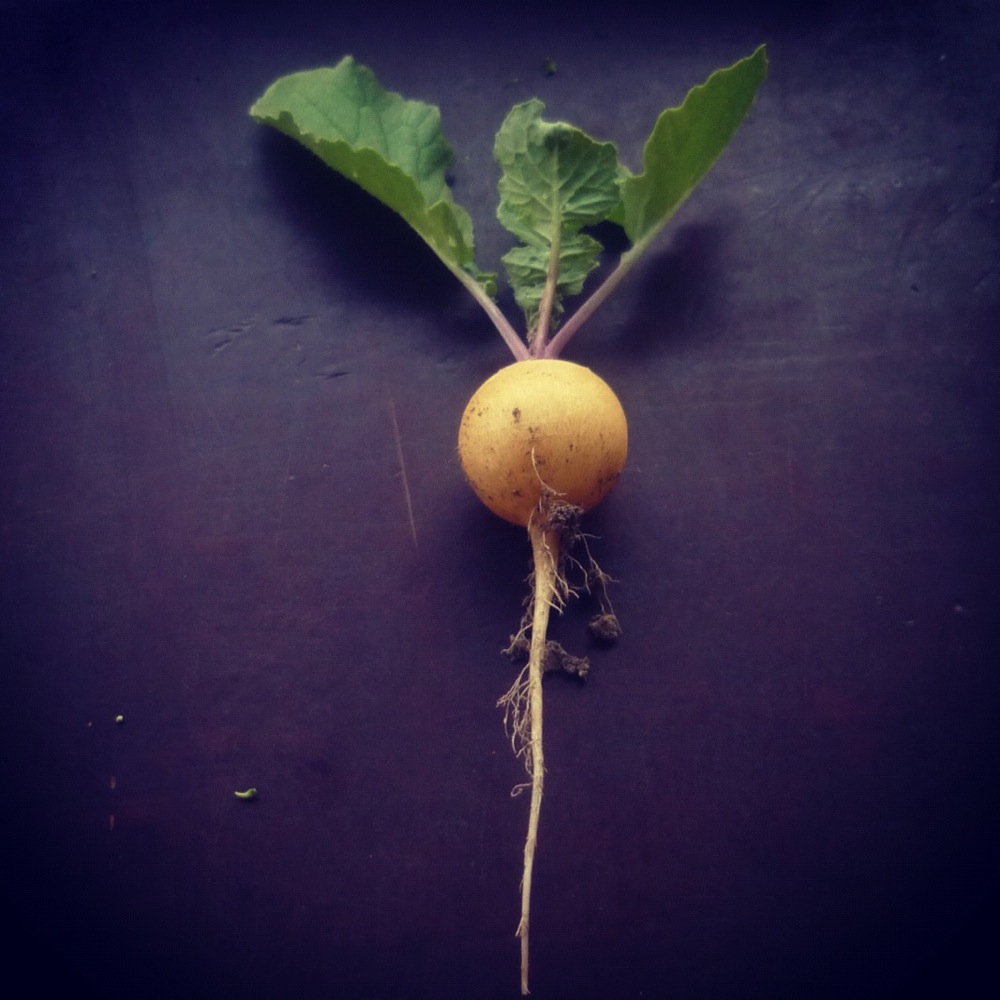
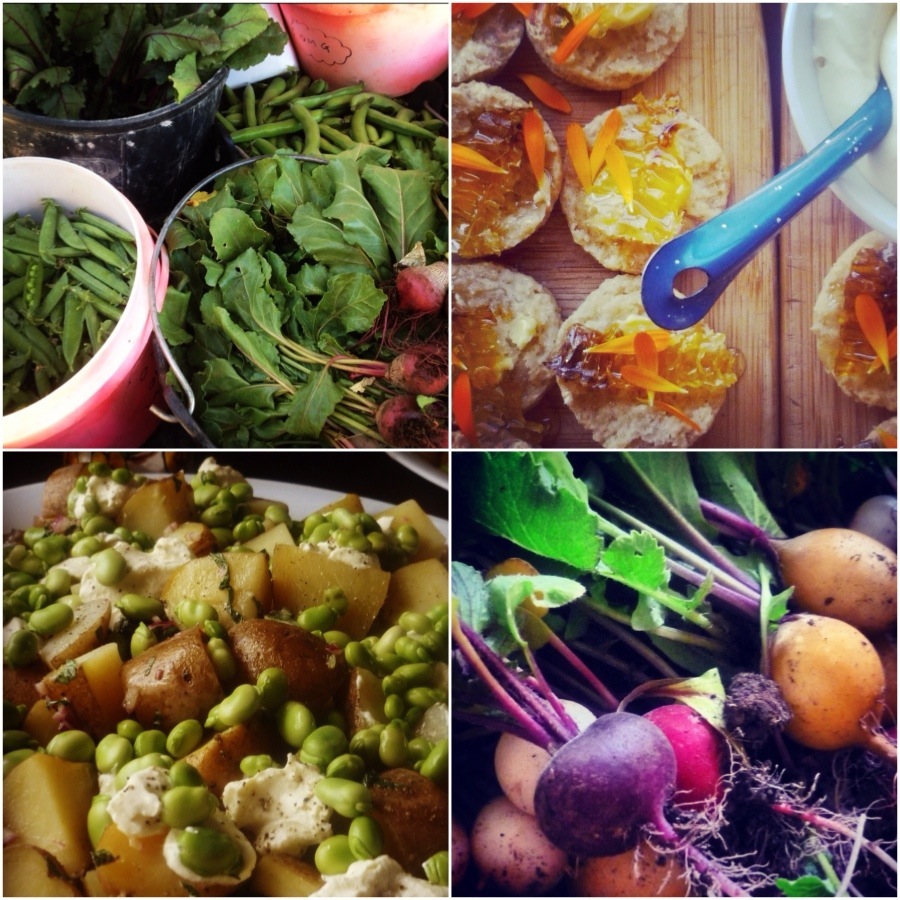
I just wanted to flag something at this point in Milkwood Farm’s development, regarding food. You know, those beautiful shots we share of honeycomb on sourdough scones, home-cured bacon and fresh rainbow radishes. They look nice, don’t they? and they are. They really are.
Feeding crew and students amazing food, grown and cooked with love, is a huge priority for us here – for reasons of ethics, health and because we want to walk the walk on clean food, not just talk about it. But there is a flipside, as we’re discovering…
Hoping that I don’t lose half our readership here, I’ll just come out and say it: producing clean food at Milkwood is darn expensive. And I don’t think it’s just us, either. Producing clean food is expensive full stop. At least compared to the prices we all see in the supermarket.
Knowing that our tomatoes are nutrient dense, fresh, super local and grown in a way that didn’t rely on fossil fuels or chemicals to progress them from seed to many kilos of fruit is wonderful. I am proud and thankful of everyone who labored to bring them to the table, and to our emerging farm/education system that makes the market garden enterprise (and hence the en-masse tomatoes) possible.
If we track back through the ‘true cost’ of the tomato dish before us however, in terms of hours spent on labor, organic inputs and direct funds for wages & price-per kilo loading, these are probably the most expensive tomatoes we will ever eat.
That is, compared to saying ‘oh bugger it’ and trotting off to the supermarket or the farmer’s market to get a couple of boxes of the conventionally (or even organically) grown stuff.
Is it worth it? Hell yeah. Producing these tomatoes organically on-farm is part of our general up-skilling charter, provides experiential learning for interns, wwoofers and students, provides Michael with a right livelihood and increases our farm community’s overall food security.
Producing annual veggies on-farm at a community scale also locks us all into a relationship with the seasons that we wouldn’t otherwise have – it’s pea-shelling season this week, and everyone’s involved in that seasonal task. We’re also shucking the final flush of broadbeans.
And then there’s the health benefits. We all eat very well here, with fresh food from our veggie garden every single day – no matter if there’s 10 of us for lunch, or 35, or 70. Each day, everyone at Milkwood Farm eats nutrient-dense, organically grown veggies from our garden, with all the assets that fresh organic food brings.
When I spell it out that like that, the cost price of the tomatoes seems quite reasonable, and worth it.
The thing that I’m concerned with however is this: any way you look at it, a single farm producing a diverse range of clean food on a community scale is darn expensive compared to supermarket prices. What does this mean for us effectively plugging into our local food supply?
To be blunt, if we went to the Mudgee farmer’s markets this weekend, we’d need to charge about $4 per kilo for our remaining nicola potatoes, because that’s a representational cost of producing them in a sustainable, low-energy system.
$4 a kilo for fantastic, nutrient dense, chemical free potatoes might be great and reasonable from a ‘true cost’ (and lack of footprint + negative environmental impact) perspective, but in Australia, at this point in time, that price makes them rich people’s potatoes.
It’s not our potatoes fault. Nor ours. It’s got a lot to do with scales of production, mechanized and industrial processes, and of course fossil fuels which make ordinary potatoes ‘cheap’. Cheap for the end user’s wallet, but not cheap for the soil, the end-user’s health, nor the planet.
Yes I know you know all this. I know it all too. Industrialized food is cheap at the checkout and expensive in every other way imaginable, we all know that.
But we still use that supermarket price point as a hallmark for what constitutes things like value & affordability when it comes to food.
And because we all inherently use the supermarket checkout price point, it’s highly likely that until there is a big shift in what constitutes value when it comes to food (local, low-footprint, grown with human and compost power rather than industrial-scale fossil fuel-driven machines + inputs), that our potatoes will remain in the ‘nice but too expensive’ part of most people’s brains, and they just won’t buy them.
Interesting, isn’t it. We want to interact with our local food system and offer our amazing produce to locals, but because of the industrialized food system and the systemic assumptions that brings with it about what’s a reasonable price, we can’t effectively participate.
Not unless we either cut our prices to compete (which means our system won’t be sustainable) or risk a whole lot of leftover food at the end of the market if our prices are perceived as too high and therefore the veggies don’t sell (also not sustainable). There is the ‘gourmet product’ angle that we could possibly investigate, but that negates the opportunity to feed regular people in our local community clean food.
Within the system at Milkwood, we can support the cost of producing this food with the fact that we feel it’s important to be producing as much of our on-farm catering needs as we possibly can, so essentially we buy it ourselves. We deal with absorbing that cost however we can, because we see that as the true cost of producing clean food, which is our responsibility to bear.
As I said, we wouldn’t have it any other way – this ongoing journey of food production has been a massive learning curve for everyone involved and has heightened our appreciation for clean food and what constitutes value within our food system – yet at the same time we can’t expect everyone who is not deeply connected with the process from seed to fruit to understand what this community-scale food growing thing takes.
I do know that as a result of this learning curve that we value the food we produce incredibly highly – there’s no such thing as ‘just a radish’ on our farm. It’s all intrinsic, it’s all valuable, it’s all a gift.
Which is why it’s such a joy to share the results with you, and to hold up the beauty of the radish, of the leafy greens, and of the honeycomb and sourdough scones – all these things drip with implication and impact for us now, beyond the fact that they taste great and allow us to keep going.
In future years, we hope to be part of a co-op of local growers, which may go a long way to alleviating our current situation – if 5 locals grew 5 crops each (selected according to each individual farmer’s resources, soils etc) we might collectively stand a chance to create the genesis an affordable local organic food system that is also sustainable for the small farmer.
For now, we rejoice in the amazing food coming off our farm. But we dream of a future where this gift of clean food can include our wider community, while allowing us to live to grow another day. I’m sure we’ll get there, but it sure is a helluva ride figuring all this out, while maintaining everything else that we’re doing.
Here’s to radishes, co-operation and participating in the great re-skilling, in order to be part of the solution.
>> More posts about growing clean food
I’d just like to add that the title of this post was inspired by seeing that phrase at some miscellaneous and un-remembered point. Having googled it, turns out it’s one of the many fabulous farmers that make up the greenhorns movement in the US: wwwthewisdomoftheradish.com



Well, I scrolled through the wisdomoftheradish website and am still crying tears of laughter after reading about the pig shootin’ mama! I can well relate to their dilemma as I too am fighting Mother Nature’s furry, feathered and crawling forms in a constant battle to grow our food in a clean natural way. Just when I think I’ve got them beaten they discover a flaw in my plans and destroy our crop again. I think I’m losing the battle and, in particular, the pesky rabbits can run up their victory flag. Like the gun totin’ pig farmer, I too have… Read more »
or you could eat the rabbits? (just a thought)
Bob Comis wrote a great essay at Grist a while back about these very issues: http://grist.org/locavore/2011-03-29-access-farmers-market-pastured-pork/ And another, much more gung-ho about actually trying to scale up his process to hit those price points where broader class of people could have access to good meat: http://grist.org/locavore/2011-03-18-forget-farmers-markets-i-want-to-see-my-meat-in-price-chopper/ I think the goal of trying to build a system where everyone has access to good food is not just audacious: it’s actually crazy. The odds are stacked way against us, and analysis of the root financials do not look good. But in theory, at it’s heart, sustainable farming *has no inputs*. The theoretical… Read more »
I remember those posts when they came out – thankyou!
And for those that didn’t see them when they came out – thank you for popping them back into circulation – they are so apt, and those in the regenerative farming movement will truly know we’ve succeeded when our produce does reach to those consumers at the supermarket – but at the same time ensuring a fair livelihood for the producer and a balanced ecological result – not something that the supermarkets are even hinting at supporting today.
‘morning Kirsten. One of your important and thoughtful blogs and as one who was so intimately involved in setting up the food production at Mikwood last year I resonate with your message. Knowing the COST of everything and the VALUE of nothing is a modern curse I feel. So your pointing out the value of home grown food is timely. There is also the joy of it which cannot be costed. And the connection to land – something so many city-born do not experience. But everything you are doing at Milkwood is trying to reverse that and so much more.… Read more »
It strikes me that costing in your labour will always push your costs way above those of a commercial farmer, especially those who rely heavily on machinery to do their work; the economy of scale also plays a big part. But then if you live in an industrialised world you have only two choices; take part and buy from the supermarket or go it alone and forget about cost. It’s a fine line and its easy to cross, so don’t try and be an accountant; there are too many already.
No we dont want to be accountants, but we do want to be able to pay everyone involved in this enterprise at the end of the week, so trying to find a balance 🙂
Great article and great debate, some very interesting points made. Good luck keeping the scales balanced.
Hi Kirsten, Well put. Couldn’t agree more. Even growing your own on a small scale in a backyard is expensive if time involved is included and the cost of processing excess produce and buying in materials that aren’t easily collectable. Many people baulk at the cost of having me come and set up/maintain their veg garden, but those that do are now reaping the rewards of mighty fine food fresh at their backdoor. Even still, I don’t charge the true cost. I love what I do and what you guys do. It gives people joy, I love feeling connected and… Read more »
will do x
Thanks Kirsten for this honest and important post. I guess the central point is that you’re up against an industrialised, subsidised food production system. Subsidised by the taxes we pay into health care, road building and maintenance, erosion control, pollution mitigation. ‘Subsidised’ by the pesticides and other toxins in our environment and our bodies. ‘Subsidised’ by the bees which are disappearing worldwide. ‘Subsidised’ by our largest river system which has so much of its water extracted for irrigation that it barely flows into the ocean. ‘Subsidised’ by future generations who have a perfect shitstorm of climate change, population explosion, water… Read more »
Thanks Steve!
My 2 bobs worth. Look at your farm business marketing as wholisticaly as you are the nutrient cycles of the farm. Sell the spuds for what ever value they represent to the consumer at the time and dont be afraid to take a loss. after all 2 bucks a kg is still 2 bucks. allow the cost of this enterprise to be subsidised by another area of the business that has more value to offer the consumer but at a much higher profit level. Its how the supermarkets do it with their loss leaders. I think a system with old… Read more »
Hi Kirsten. Great post, and one that resonates with us. As micro / bespoke vegetable producers on the mid north coast, we too found high resistance from the local community to our organic, handmade vegetables as the consumers here are extremely price conscious. We battled away for 3 1/2 years trying to educate them – and they all know the values and benefits, but are unable (or unwilling) to justify the additional cost. We now travel to Sydney to a weekly market – we are greeted with open arms (virtually swooned over), they is no problem about pricing, and we… Read more »
sounds like efficient use of energy to me under the circumstances… 🙂
Milkwood meals may cost a lot in dollars but don’t cost the Earth. In that regard, the energy balance sheet for this food does balance, that is Solar energy wise, the ultimate source of all our energy whereas factory farmed produce has massive hidden costs as Steve W said re. subsidies. But those so-called hidden costs/subsidies are actually loans taken out against future generations of Earths inhabitants. climate change/destablisation, environmental degradation in all forms are the ‘calling in’ of the debt….’no such thing as a free lunch’ our children and their children will be paying back the debt in some… Read more »
yeah. when are you coming to dinner?
I agree with all you have said and as a farmer, I also know it will not change as all of us need capital to survive. Even so, due to the shortsightedness of our politicians and the mass sale of our land to foreign countries and to developers, the time of food shortage in Australia will come. Then, your prises will be cheep. Even the developer will swop his Ferrari for a spud, because you can’t enjoy anything until your belly is ful of food. The big secret is to hold on to your land!!!
Kind regards
Paul
I hear you Kirsten and I think it’s important for us to remind all those around us that we never truly pay the ‘real’ price of food as it is heavily subsidised, produced on a large scale (large economies of scale) and generally poor (poor nutritional value, poor soils, poor fertilisers, poor breed, etc.). The other day my husband gasped when he bought our raw Jersey milk from the local shop… We’ve been drinking that milk for some time now and we all love it. It is sustainably & ethically produced from pastured cows, it is organic and fair traded…… Read more »
I went to a farming forum in Mudgee last night where some farmers are creating a market based primarily on the nutrient density of their beef (as well as their regenerative practices) – the theory being that you just dont need to eat as much of it because of the nutrient and mineral density it delivers… which made me think of the difference between super quality milk and supermarket stuff x
It’s good to read someone say it. I read lots of blogs which claim if you want to save money, grow your own food. It’s not that simple if you haven’t been blessed with perferct soil and climate conditions. I would say you get better quality food in the home garden, but not necessarily cheaper either. Whatever the scale, a lot of the initial cost goes into building up the soil, which of itself takes several seasons. To get animal manure, you’ve got to feed the animals. What you can grow for the animals on site, you’ve got to plant… Read more »
thanks chris! We’re 50 mins from the closest small town so i am not sure pick-your-own would work for us… it’s all about your parameters I suppose – sorry to hear about your garden!
I wasn’t actually trying to say that home-scale production is expensive, but we are having challenges with community scale production, partly because of the diversity of produce we’re trying to pull off in the volumes we’re aiming for… gotta keep learning and tweaking till we get the model right 🙂
“I wasn’t actually trying to say that home-scale production is expensive…” I know that’s not what you were directing your post at 🙂 it was great to read what you had to share, specific to your situaton. But home-scale production IS expensive, which has gradually become my personal realisation as a home-scale producer. When you migrate that home-scale production onto acerage, it doesn’t get any cheaper either. The reason I think what you were saying and what I was saying are related, is because when home producers don’t take into account their living expenses, and the full operational costs of… Read more »
Maybe, given your distance, a ‘pick your own’ bi-annually might work? Put the word out (bulletin boards, church/local newspapers – whatever is low cost and high visibility) and just see who comes. As well as the above benefits (you don’t have to incur the extra costs unless someone treads on plants etc), you might get to do a little educating and inspiring along the way. maybe as an ‘Open Farm’ day or something and within that activities that include ‘pick your own’… anyway just a thought. I have to keep thinking that the change is getting there. Wasn’t long ago… Read more »
Hey Kirsten, My husband and I love reading your articles. We are ex-farmers and are fully aware of what it takes. Even the commercial farmer does not get paid enough for his produce. Our dream is to go back to the land and be self-sufficient – even with power and water (and it is getting closer). you are keeping our dream alive. Thank you!!
yr welcome 😉
Great post Kirsten. I look at it this way as we labour away on our five acres on the edge of Brissie – the cost of seeds (often free) or seedlings, plus labour, plus free rainwater from gravity fed tanks, plus free cow poo from local biodynamic farm, plus free chook poo from our girls gives us our costs. Then we take off gym fees (which we no longer go to), other sporting hobbies (which we have replaced with weekend farming), shopping which we do precious little of now (well, it was mostly me anyway), grocery bills (which have dropped… Read more »
Thanks Sandy 🙂 – to C+P from my comment on Linda’s response blog post: I think the central thing i was trying to get at is that once you arc up from doing it all yourself, the play changes. If it was me doing all this (on a smaller scale) the embodied benefits would tally more directly and make it all ok. But as we’re scaling up to supporting multiple enterprises (the market garden being one of them) there’s more financial burdens and considerations (wages, super, etc), so I have started to scrutinize things in a slightly different way, as… Read more »
Hi Sandy. Do you cost in the feed you buy for the chickens, the land rates, various insurances, mulch, maintenance on the buildings, which deliever free rainwater, garden beds, shade structures, seedling raising areas, mortgage repayments, etc, into your costings of food production? I used to believe living on the land was going to be cheaper, but wasn’t factoring the real costs we were incurring by running the property/animal/crops in the first place. I justified I was going to have to pay to live somewhere anyway, so threw the food production in as a bonus. But it takes far less… Read more »
Hi Chris. We don’t do it because its cheaper. We do it as its the only thing we can do. We had a small suburban plot for several years but really wanted to do more, so we bought acreage (not a farm) as we would still have to work. And given I work in sustainability and community, and my husband in alternative food systems, its meaningful work that is worth doing. So while we are doing work we love, we are living in a way that feels more authentic (lower food miles, fresh food with no additives etc). So for… Read more »
Your thoughts are relevant Sandy and thanks for sharing them. I was wondering if others take in the full cost of home scale, or if it was just me that didn’t regard it?
We too enjoy the work on our land, but it doesn’t pay the bills unfortunately. 😉
Hi Milkwood, I love your blog and your purpose and ethics. I think a lot if what you see is because we’re at the start of this new way of growing culture and the top price will drop as organic inputs become cheaper and the acceptable price will rise as people will learn of the benefits, and hopefully meet somewhere in the middle. Beyond that though I’d love you to check out http://www.organicfarmshare.com, a community food enterprise I’m involved in. Essentially it is a poly culture, permaculture farm funded by owner members (like me) and some capital investment from the… Read more »
Yes! I’ve been following this project since it started – a very interesting model… i’d love some specifics on costs for that one – glad to hear it’s working!
Hopefully Kirsten we should have some costings shortly. It costs $4000 to be an owner-member (fully refundable if you wish to opt out) and it has been estimated that up to approximately 350 families could be fed from this land. That equates to a working capital of about $1.4million if my mates is correct. I don’t think they have full capacity investment as yet and they prior to my joining they had already managed to purchase and pay off the land so they are rent free. The rest if the money is spent on infrastructure, wages, animals, seeds, etch etc.… Read more »
Awesome thanks andy
Thank you so much For this post!
I can only say, I LOVED your food when I was wwoofing, And I miss it. Can’t wait to grow my own… even if it some labor, or it costs more or a big challenge on my small semi arid island Curacao,it all is so well worth IT. I felt wonderful with the highly nutrient-dense food!
whoohoo! go well, lady x
This is something I’ve wrestled with a lot. I still don’t have “answers” – but one part of the equation I’ve identified is that farming has never really been profitable, especially when wages must be paid. That is to say – farming works really well to turn work into food, but it’s never done a good job of turning work into money, especially if you need to turn money into work and back into money. Either people have worked for themselves, and been “paid” largely in groceries, or they’ve had slaves, or migrant workers (aka, slaves) or children (slaves), or… Read more »
Oh how I wish I didn’t live so far away. Michigan, USA 🙂 But thank you so much for having the website. I just got back into gardening and canning a few years ago so there is a lot to learn. Your site is very helpful and excellently done.
Not sure that it’s been mentioned, but why not look into foraging? There may be a wide range of food plants in your area that do not require months of physical labor. Instead, simply a few days of respectful harvest.
I like where you are coming from Emily. I’ve had the opportunity to ask two questions over the last few years, to hundreds of folk wanting to become more sustainable. I ask first – “define for yourself the idea of a farm, what is it?” – It seems a pretty innane Q! But many who end up talking about healthy lifestyles are yet to realise that farming is an Occupation, not a job, not a hobby, and surely not all that easy/pleasant at times! I find myself ‘occupied’ by agriculture, you? The other question only comes out sometimes, “How much… Read more »
Cheers bigears. Love your work.
I know it detracts a bit from the intention to provide fresh nutrient dense food to and within the local community, but have you considered selling pre-prepared foods instead? The profit margins on prepared or partially prepared meals are much higher in the supermarket (as far as I can tell, looking at how much it costs to do the preparation and packaging) so that might offset the higher notional cost of the raw ingredients, since consumers expect to pay a lot more for the convenience. And even the most price conscious consumer can be tempted by something easy, tasty and… Read more »
This has been a very interesting discussion so far. I basically agree with many of the statements made but wonder if economics can really relate to the benefits of lifestyle. I know if the economics aren’t there the business will fold but there are so many things that just don’t get included in economics. I grew up in an area back in the 50’s and 60’s where our neighbours on one side had bananas, tomatoes and beans as crops and the rest of their ex dairy farm ran a few beef cattle. On the other side those neighbours grew tomatoes… Read more »
Great thought provoking post. 🙂 There are plenty of great and useful ideas here about lowering expenses, but it may also be heartening to remember that those supermarket benchmarks are only made possible because of a massive integrated network of fuel, distribution and fertilising subsidies ( often carried out under the heading of ‘food security’), and by cashing in on a limited supply of fossilised sunlight (oil, coal). And as such they are unsustainable, they will end, they will have to. I love the way Geoff Lawton often says ‘This is the future’ when summing up on a topic. You… Read more »
yep we acknowledge the subsidy problem, and the future possibilities, but what I’m most concerned about is keeping small farms (not particularly ours, just in general) alive in the meantime… which is was what i was somewhat obtusely trying to get at 🙂
It is possible to run an organic farm and make money. We’ve been developing our own system, where we rely on very few inputs, do not have irrigation, do not have a tractor, employ properly paid staff and still make a profit – all this with 8 acres of veg and herbs. It is possible to drop the price of our veg, but that is not a good way forward, as it sets a standard for our customers that is hard to increase when we need to make money in the future. We do though spend a lot of time… Read more »
yep and you guys are doing an incredible job! wish we had a patch of the hawksbury river flats at Milkwood Farm 🙂
So do we….we rely on rain to wet our plants!
Gosh from Sydney I would have thought that $4 per kilo was cheap!!! I really think that this is a markting issue – I don’t have as much issue with food miles as I do with production method or with imported goods. Bring your stuff down 🙂 or as another commenter said transform it into prepared food and that way make a premium – I can see the Milkwood label on beautiful produced goods already 🙂 HRH PC did a great job with this with the County of Cornwall label.
You have to go where you are appreciated 🙂
Hi Guys, Talking about market values…I would be really intersted in seeing some analysis done on which crops have the high market value / space ratio. For example, this winter I recorded what we harvested from the garden and then worked out the total market value of each crop using rates from a local organic f&v shop. I then calculated the total area of each crop in the garden to work out a value / area ratio. This obviously has most relevance to urban gardeners and probably doesn’t help with improving your bottom line (sorry about that) but I think… Read more »
Yep definitely, that’s a consideration – personally we’ll probably move to on-farm needs (diverse) and then a couple of maincrops from next year on… Linda will you post your table of results anywhere? would love to see 🙂 – happy growing to you too
Last summer my tomato patch (2X4.8metre hoop house to keep out the fruit fly) yielded almost 300kg of fruit. I also harvested at least 4000 figs from 7-8 trees (2100 just in February) and when you value these at f/v market prices of $2 each, it makes the value of covering them for fruit fly at <$300 and drying them to be eating them every day until last week is also good value for money.
A most interesting thread to be sure… Out of sheer frustration I’ve started growing my own, but not because I’m against the idea, or that I don’t like the work, but I don’t have my own land and I know that what I leave behind may not be valued by those who follow. However, I’ve wanted to support local organic growers, but they are in small supply and efforts to create some kind of registrar of who grows what and where has resulted in a single grower nearby who does a very fine range of garlic and another 5 kms… Read more »
We’ve spent lots of time wondering about the issue of good food costing more than crap food does. The whole point of our farm is to demonstrate that you can produce the best quality food, cheaper than the industrial giants while improving, rather than simply not destroying, the environment. We do this with meat rather than vegetables, but I think the principles are the same; but perhaps not the numbers. Our method is simply to attempt to remove all external inputs. We are steadily selling off our machinery and making deals with our neighbours to do the work for us.… Read more »
Thanks for the blog post – i’ve been thinking about similar things as we are preparing to grow vegies for part of our income in the future (small scale, direct to customers). There is a general expectation for vegies in the supermarket to be cheap – and people complain about the costs of even s’mkt vegies going up (i’m guilty of that too 🙁 I think vegies in the supermarket world are competing with many other foods that are made from very cheap ingredients mostly at the expense of nutritional content. So even the big farm business producing the s’mkt… Read more »
I am thinking that this is a developed country issue, we spend very little of our income on food and have come to expect that. If you go to the ‘third world’ suddenly food costs most of your income each week. Unfortunately until price shocks occur, and local resilient people grown food becomes valued (or all that is available), I think you will have to subsidise your system with those that are willing to offer labour and love for food and knowledge. There should be more and more of those people as things turn to shit 🙂 Soldier on champions… Read more »